Compare Local Contractors for Faux Finish Painting Projects
Compare local contractors for faux finish painting to clarify project scope, verify experience, and establish clear expectations for a successful outcome.
Faux finish painting is a decorative technique that adds visual interest and texture to interior and exterior surfaces. This type of work often includes techniques such as sponging, ragging, glazing, and color washing, which create unique finishes that mimic materials like marble, stone, or aged plaster. Property owners seeking these effects should look for contractors with experience in decorative painting methods, as achieving a high-quality faux finish requires skill and attention to detail. Clear communication about the desired look and the specific techniques involved helps ensure the final result aligns with expectations.
Defining the scope of a faux finish project is essential to avoid misunderstandings and ensure the work meets specific aesthetic goals. Property owners should work with contractors to specify the areas to be finished, the types of finishes desired, and any particular color schemes or textures. Documenting these details in writing helps establish a shared understanding and provides a reference throughout the project. A well-defined scope can also facilitate better coordination and help prevent scope creep, which can lead to frustration or incomplete results.
When comparing local contractors for faux finish painting, it’s important to consider their experience with decorative techniques similar to the desired look. Property owners can review portfolios, ask for references, or inquire about past projects to gauge a contractor’s expertise. Additionally, discussing the scope of work and confirming that the contractor understands the specific finishes wanted can help ensure compatibility. By focusing on experience, communication, and the ability to deliver the desired aesthetic, property owners can make informed decisions when selecting a service provider for their decorative painting needs.
Compare local contractors by outlining your project priorities, verifying experience, and documenting clear scope and expectations.
- Define the Scope of Work - clearly outline the desired faux finish techniques and areas to be painted.
- Verify Experience and References - ensure contractors have relevant experience and can provide references for similar projects.
- Compare Qualifications and Services - evaluate local contractors based on expertise, portfolio, and offered services.
- Document Expectations in Writing - specify project details, materials, and responsibilities to prevent misunderstandings.
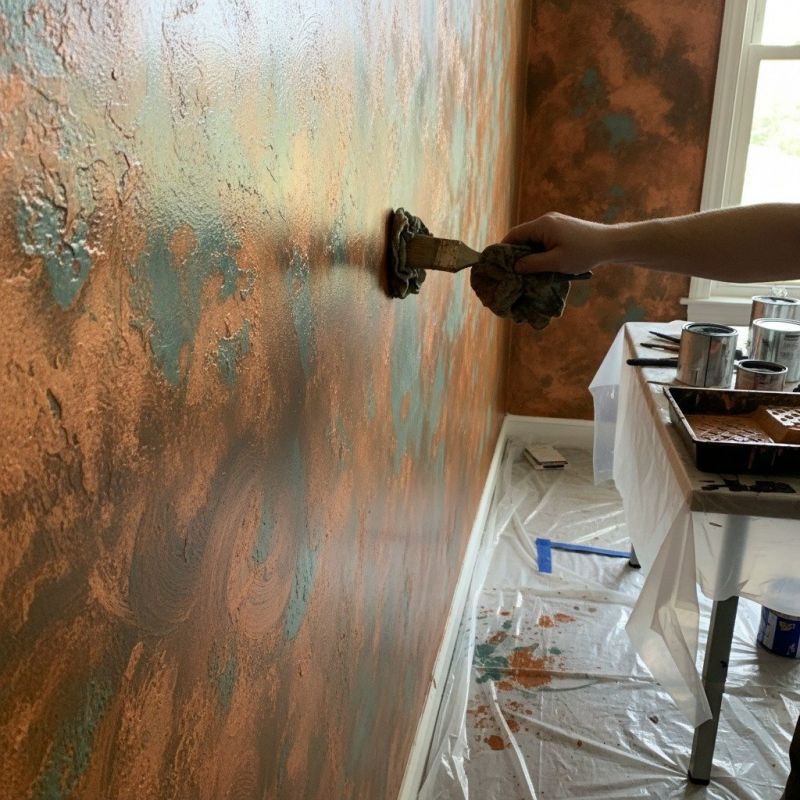
Clearly describe your faux finish project and compare local contractors’ experience, scope, and written expectations.
- Verify experience with faux finish techniques similar to the desired style. - Ensure contractors can provide examples or references of previous faux finish projects.
- Define the scope of work clearly in writing, including the type of finish and surface areas involved. - Clear documentation helps prevent misunderstandings and sets project expectations.
- Check that service providers have appropriate tools and materials for the specific faux finish desired. - Proper equipment and supplies are essential for achieving quality results.
- Discuss the preparation process and surface conditions required for optimal application of the finish. - Proper surface prep is crucial for durability and appearance.
- Confirm that contractors understand and can explain the steps involved in the faux finishing process. - Clear communication ensures alignment on techniques and expectations.
- Request detailed descriptions of the finish techniques used and the expected final appearance. - Understanding the process helps evaluate the contractor’s expertise and suitability.
Use this to compare local contractors, clarify project scope, verify experience, and set clear expectations.
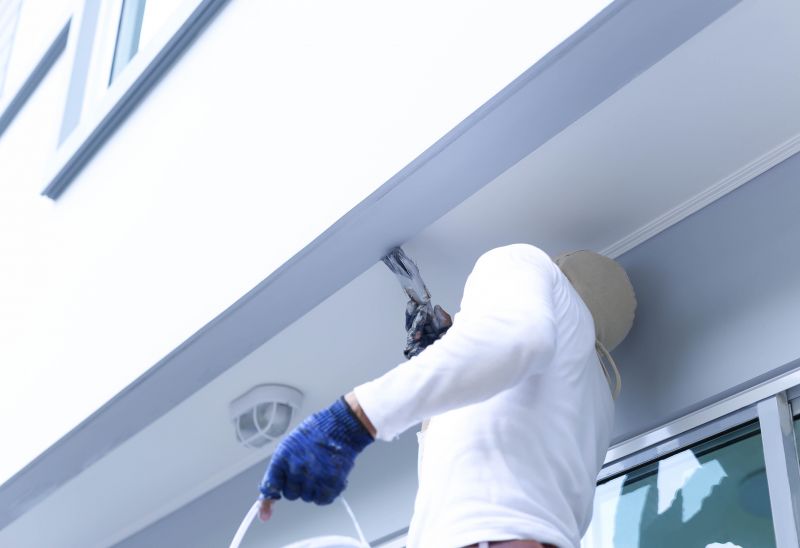


Use clear scope definitions and consistent comparison criteria to evaluate local contractors for faux finish painting.
- Scope Definition - Clearly outline the specific faux finish techniques, areas to be covered, and desired visual effects.
- Experience Verification - Confirm the local contractors’ experience with the particular faux finish styles and surface types involved.
- Material Selection - Specify the types of paints, finishes, and tools to be used to achieve the desired aesthetic.
- Work Quality Expectations - Detail the quality standards, surface preparation, and finishing details required for the project.
- Written Agreement - Document all scope details, materials, and expectations in a formal agreement to ensure mutual understanding.
When comparing contractors for faux finish painting, it’s important to assess their experience with similar projects. Homeowners should inquire about the types of finishes they have completed and request details about past work that aligns with the desired style or complexity. Contractors with a proven track record in applying various faux techniques-such as Venetian plaster, rag rolling, or glazing-are more likely to understand the nuances involved. Verifying their experience through references or portfolios can provide insight into their skill level and familiarity with the specific finishes sought.
A clear, written scope of work is essential to establishing mutual understanding and setting expectations. Homeowners should work with service providers to outline the specific areas to be finished, the desired aesthetic, and any particular techniques or materials to be used. This document acts as a guide for both parties and helps prevent misunderstandings. Ensuring that the scope includes details about surface preparation, number of coats, and finishing touches can contribute to a smoother project process and a more predictable outcome.
Verification basics involve confirming the credentials and background of the service providers. Homeowners should seek information about the contractors’ work history, ask for references from previous clients, and verify that they have experience with projects similar in scope and style. It is also helpful to confirm that the contractors are familiar with local building codes and standards relevant to interior finishes. Gathering this information can aid in assessing the reliability and professionalism of potential service providers.
Evaluating options without focusing on prices involves considering the quality of work, experience, and communication style of each contractor. Homeowners should compare the clarity of scope proposals, the professionalism of responses, and the level of detail provided in project descriptions. It’s beneficial to ask how each service provider approaches faux finish techniques and to seek explanations that demonstrate their understanding of the craft. By focusing on these qualitative factors, homeowners can make informed decisions that align with their expectations for craftsmanship and project management, ensuring a successful partnership with the right local contractor.
Ask contractors to provide written scope details to ensure clear expectations and consistent project outcomes.
- Experience with Faux Finish Techniques - What specific types of faux finishes have the contractors previously completed?
- Scope of Work Clarification - How will the service providers define and document the scope of the faux finish project?
- Material and Technique Selection - What materials and application techniques do the contractors recommend for your desired faux finish?
- Project Expectations in Writing - How will the scope, materials, and finish details be outlined in the written agreement?
- Comparison of Contractor Approaches - How do the service providers' methods and experience levels differ in achieving your preferred faux finish style?
How can I compare contractors for faux finish painting? It’s helpful to review their experience, check references or portfolios, and ensure they clearly define the scope of work in writing to make informed comparisons.
What should I look for when defining the scope of a faux finish project? Clearly specify the types of finishes, areas to be painted, desired textures, and any special techniques to ensure contractors understand the project requirements.
How can I verify a contractor’s experience with faux finish techniques? Ask for examples of previous work, request references, or review any available portfolios to assess their familiarity with the specific finishes you want.
Why is it important to have the project scope in writing? Having a detailed, written scope helps prevent misunderstandings, ensures all parties agree on the work to be performed, and provides a reference for project expectations.
What questions should I ask contractors during the selection process? Inquire about their experience with faux finishes, request details about their process, and ask how they handle any potential issues or changes during the project.
How can I ensure the contractor understands my desired finish style? Communicate your vision clearly, provide examples if possible, and confirm that the scope includes specific techniques and finishes to match your expectations.
This page has provided an overview of how to find qualified contractors for faux finish painting projects. Visitors learned the importance of clearly defining the scope of work, verifying the experience of potential service providers, and establishing written agreements to set clear expectations. Comparing local contractors can help identify options that best align with project needs and preferences, ensuring a smooth and well-managed process.
To explore available service providers, use the quote form to compare local contractors specializing in faux finish painting. Gathering information through this process can assist in making informed decisions and connecting with professionals who can handle the job. Taking these steps ensures that the selection process is straightforward and tailored to specific project requirements.